Tips to Buy Water Tank Truck is essential knowledge for global fleet managers, municipal buyers, and industrial procurement teams who want to avoid costly purchasing mistakes.
Selecting a sanitation vehicle is not simply about comparing prices. An unsuitable chassis, poor tank protection, insufficient pumping performance, or incorrect configuration can result in frequent maintenance, operational delays, and unnecessary expenses.
A professional purchase decision requires two stages: selecting the right equipment configuration according to actual working conditions and verifying manufacturing quality before delivery.
This guide provides 5 strategic purchasing tips and 7 inspection standards to help buyers evaluate capacity, materials, chassis performance, spraying systems, and overall reliability—with a special focus on the water tank truck—before investing in a new sanitation fleet.
Table of Contents
- 5 Tips to Buy Water Tank Truck Based on Real Operating Conditions
- 7 Inspection Standards for Water Tank Truck Quality Before Delivery
- Conclusion
- Frequently Asked Questions
5 Tips to Buy Water Tank Truck Based on Real Operating Conditions
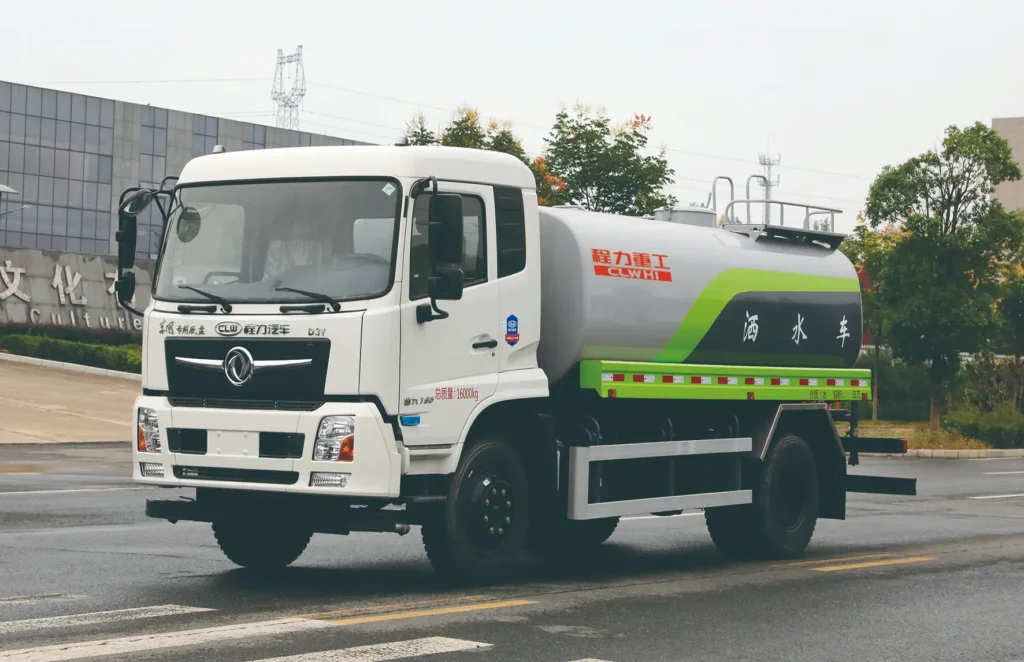
Choosing the correct configuration is the first step to achieving long-term value. Different working environments require different solutions, and the best model is not always the largest or most expensive option.
Tip 1:Match Tank Capacity With Daily Working Requirements
The first consideration when purchasing a sanitation tanker is selecting the appropriate water capacity based on operational demand.
Different applications require different volume levels:
- Small urban cleaning projects: 5,000–10,000 liters
- Municipal road maintenance: 10,000–15,000 liters
- Highway, mining, and construction applications: 20,000 liters or above
A larger tank can reduce refill frequency and improve working efficiency, but excessive capacity may increase fuel consumption and create unnecessary load pressure.
Fleet managers should evaluate:
- Daily water consumption
- Working distance
- Available refill locations
- Local transportation regulations
For heavy-duty applications, a properly sized tanker provides a better balance between productivity, operating cost, and transportation safety.
Tip 2: Select Proper Tank Material and Anti-Corrosion Protection
The durability of a spraying vehicle depends heavily on tank material and surface protection technology.
Carbon steel remains the most commonly used option for municipal sanitation applications because it provides:
- Strong structural performance
- Excellent weldability
- Cost-effective manufacturing
However, proper anti-corrosion treatment is essential for extending service life.
Common protection methods include:
Epoxy Coating
Suitable for:
- Standard road cleaning
- Dust suppression operations
- General outdoor environments
Electrophoretic Coating
This advanced coating process provides stronger corrosion resistance and is suitable for areas with higher humidity or longer service requirements.
Stainless Steel Construction
Stainless steel is generally selected for special applications such as:
- Corrosive liquid transportation
- Food-grade requirements
- Chemical-related operations
The correct material choice should be based on the working environment rather than simply on choosing the highest-cost solution.
Tip 3: Choose the Right Chassis for Heavy-Duty Operation
The chassis directly affects vehicle stability, load capacity, and service life.
For large-volume sprinkler vehicles, a heavy-duty 6×4 chassis is often preferred because it provides:
- Strong load-bearing capability
- Better driving stability
- Improved performance on challenging roads
Important factors include:
A properly matched chassis reduces mechanical stress and improves reliability during long-term operation.
- Engine power
- Axle configuration
- Frame strength
- Suspension system
For example, a 20-ton-class sanitation vehicle requires sufficient power output and structural support to maintain safe operation under full-load conditions.
Tip 4: Evaluate Pump Performance and Spraying Configuration
The pumping system determines cleaning efficiency, spraying distance, and operating flexibility.
Different applications require different pump solutions.
Centrifugal Pump
Suitable for:
- Road washing
- Dust control
- Landscape irrigation
Advantages:
- High flow rate
- Stable operation
- Easy maintenance
Plunger Pump
Suitable for:
- High-pressure cleaning
- Long-distance spraying
- Specialized washing operations
Before purchase, buyers should confirm:
- Flow requirements
- Working pressure
- Spray distance
- Maintenance availability
Selecting the correct hydraulic system ensures better performance and prevents unnecessary energy consumption.
Tip 5: Improve Fleet Efficiency With Multi-Function Equipment
Modern sanitation vehicles should provide multiple functions instead of performing only basic water transportation.
A multifunctional configuration may include:
- Front flushing nozzles
- Rear sprinkler system
- Side spraying equipment
- High-pressure water cannon
- Fogging system
These functions allow one vehicle to perform:
- Road cleaning
- Dust suppression
- Green area irrigation
- Construction site spraying
Multi-function capability improves equipment utilization and helps reduce the need for additional specialized vehicles.
7 Inspection Standards for Water Tank Truck Quality Before Delivery
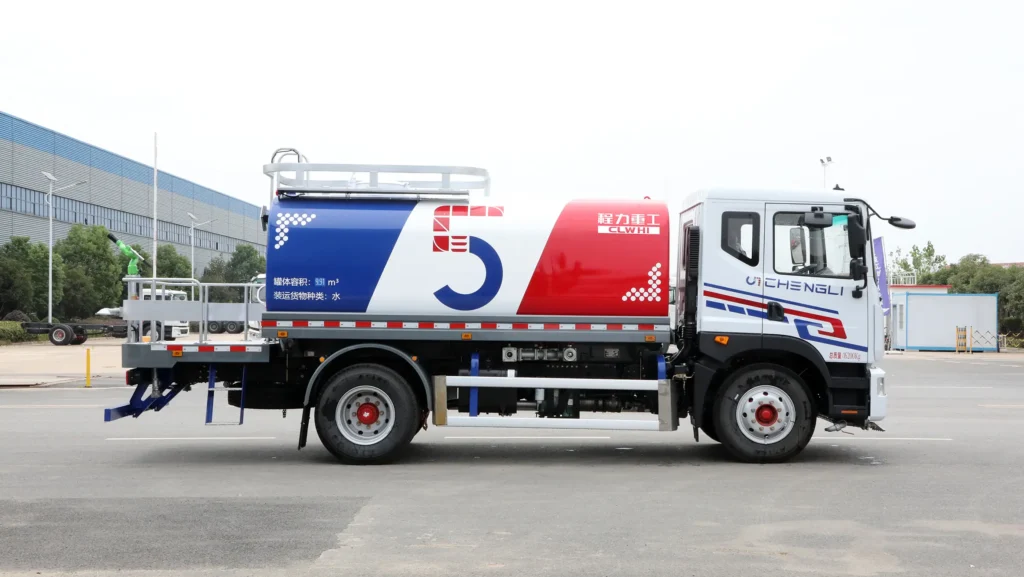
After selecting the correct configuration, buyers should carefully verify manufacturing quality before accepting delivery.
A detailed inspection process helps prevent future failures and protects the investment.
Standard 1: Welding Quality and NDT Verification
The tanker body structure depends on welding quality.
Before shipment, buyers should confirm:
- Welding appearance inspection
- Non-destructive testing (NDT) reports
- Leakage examination results
Professional welding ensures structural strength and reduces the risk of cracks or water leakage during operation.
Standard 2: Pipeline Pressure Testing
The spraying pipeline system should be tested under operating pressure.
Inspection points include:
- Pipe connections
- Valve sealing
- Pressure stability
- Leakage prevention
A complete pressure test ensures reliable spraying performance after delivery.
Standard 3: Chassis Alignment and Load Assessment
The completed vehicle should undergo chassis inspection before shipment.
Key checks include:
- Frame alignment
- Load distribution
- Suspension condition
- Brake performance
These inspections confirm that the vehicle can safely operate under full-load conditions.
Standard 4: Pump Flow and Pressure Measurement
The pumping system should be tested according to technical specifications.
Verification should include:
- Actual water flow
- Pressure output
- Self-priming capability
- Continuous operating performance
A properly tested pump system ensures consistent cleaning and spraying results.
Standard 5: Spray Coverage and Nozzle Performance
The spraying system should be checked for:
- Spray angle
- Coverage width
- Nozzle performance
- Water distribution uniformity
Proper adjustment improves road cleaning efficiency and reduces water waste.
Standard 6: Electrical Control and Valve Inspection
Electrical and control systems directly affect daily operation.
Inspection items include:
- Control switches
- Valve response
- Wiring protection
- Safety functions
Reliable control components reduce operational interruptions.
Standard 7: Documentation and Export Compliance
Before final shipment, buyers should verify:
- Quality certificates
- Export documents
- Product specifications
- Required compliance records
Complete documentation supports smoother customs clearance and fleet management.
Conclusion
After understanding the key buying factors and inspection points, the next step is to define your project requirements, including capacity, chassis configuration, pump system, and working conditions. A clear plan helps you choose a more reliable solution and avoid unnecessary maintenance costs.
CLW provides professional sanitation vehicle solutions with flexible configurations for different applications. Contact us to discuss your requirements and get a suitable recommendation for your fleet.
Frequently Asked Questions
How long does a water tank truck last?
The service life depends on chassis quality, tank construction, coating protection, maintenance frequency, and operating environment. With proper maintenance, many units can provide reliable service for 8–15 years.
Can a water tank truck be customized?
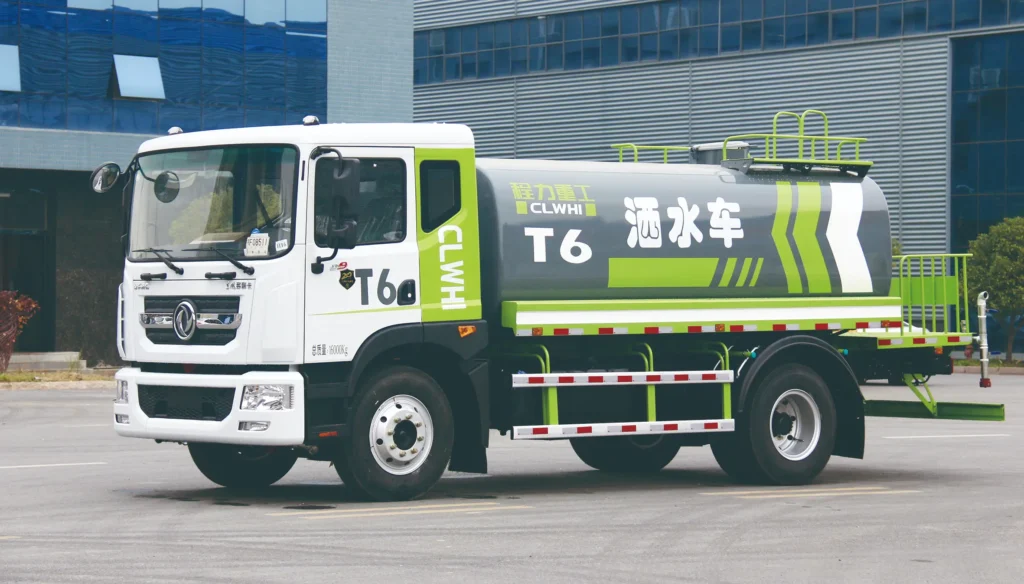
Yes. We support full personalization of the Dongfeng D3 6×4 20m³ water tank truck, including adjusting fog cannon power and changing the tank’s anti-corrosion treatment as per your demand.
How do I select the correct tanker capacity?
Capacity selection depends on daily water demand, operating distance, road conditions, and local regulations. Medium and large fleets often choose 15CBM–20CBM models for improved productivity.
What should buyers check before accepting delivery?
Buyers should verify welding quality, pressure testing results, pump performance, spray coverage, chassis condition, and export documentation before final acceptance.
What water tank truck works best for mine dust control?
CLW Dongfeng D3 6×4 20m³ water tank truck perfectly matches harsh conditions and is the top pick when you follow our 5 tips for buying a water tank truck.