In the edible oil and fat supply chains across Southeast Asia and the world, crude palm oil (CPO) serves as a core raw material, and its logistics and transportation involve extremely high technical requirements. During transportation from plantation oil mills (POMs) to refineries and oil storage terminals, crude palm oil tanker trucks (CPO Tanker Trucks, such as 4×2, 6×4, or 8×4 configurations) shoulder the critical responsibility of collecting and transporting bulk liquid cargo, serving as key equipment for ensuring oil quality and transportation efficiency.
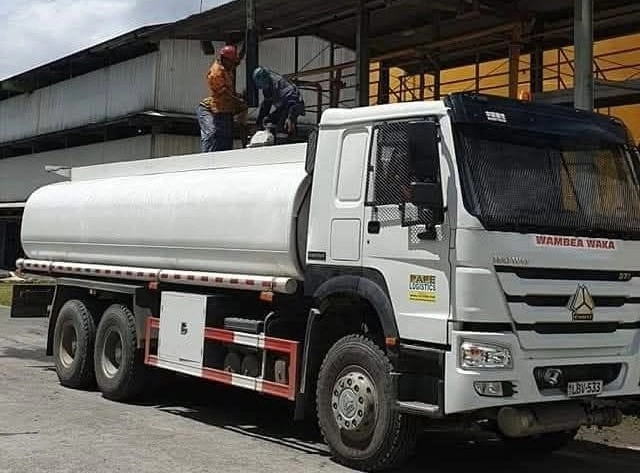
Table of Contents
- Special Operating Conditions and Key Challenges in Crude Palm Oil Transportation
- Core Technical Specifications of Crude Palm Oil Tank Trucks
- In-depth customization capabilities that closely align with real-world operating conditions
- Rugged, durable, and reliable quality ensures safe transportation
- Conclusion
Special Operating Conditions and Key Challenges in Crude Palm Oil Transportation
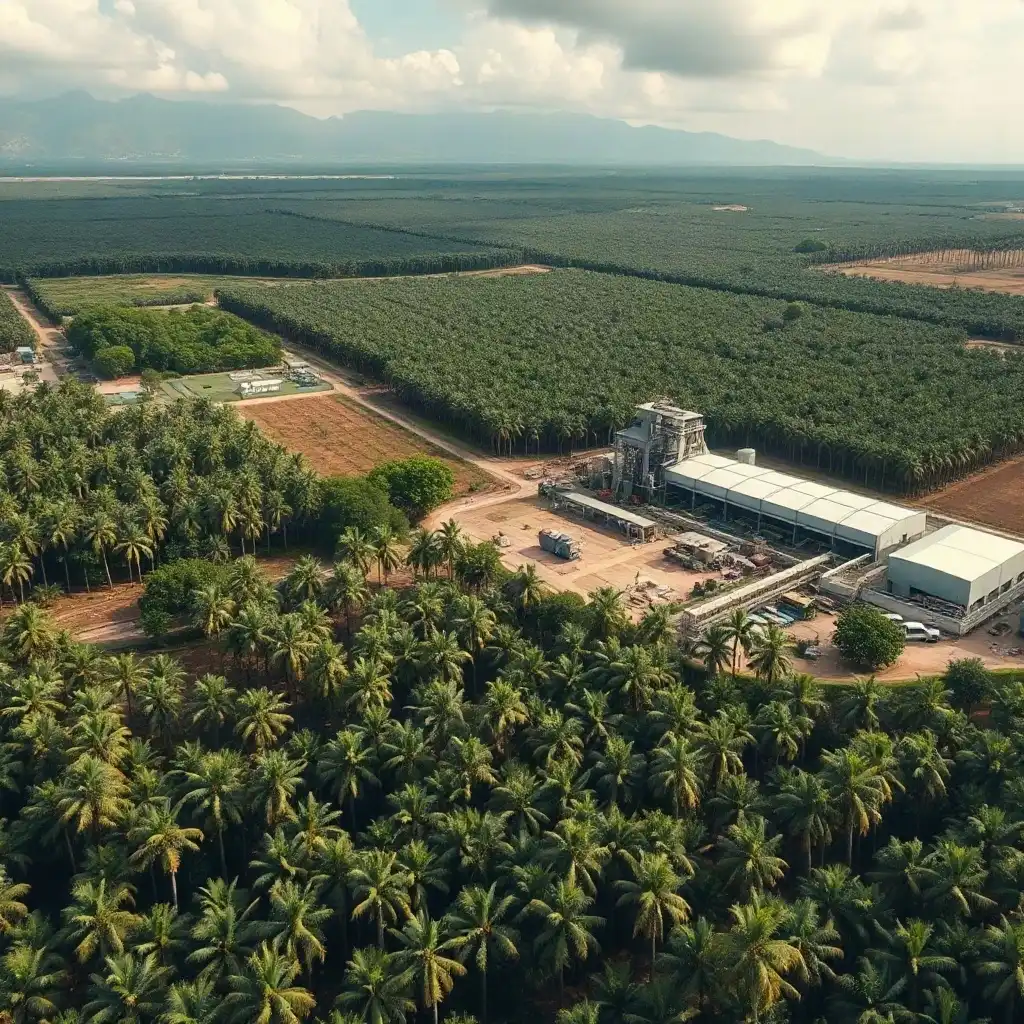
Crude palm oil is a liquid food ingredient that is extremely sensitive to transportation conditions. To ensure safe transport across complex and variable geographical and climatic conditions, vehicles must address the following three core challenges:
1.Harsh Road Conditions: Palm oil mills are typically located deep within vast plantations, and the surrounding transportation routes consist mostly of unpaved, muddy paths, narrow dirt roads, or hilly mountain trails. During the rainy season, these roads become flooded and prone to subsidence, requiring transport vehicles to have exceptional off-road capability and resistance to getting stuck.
2.Characteristics of Materials Prone to Solidification: Crude palm oil has a high solidification point (typically between 30° and 40°), making it highly susceptible to solidification at room temperature or during long-distance transport. If the tank lacks effective insulation and heating measures, the oil will solidify into clumps, making unloading extremely difficult.
3.Food-Grade Quality Protection: As a raw material for edible oils, CPO is subject to strict hygiene standards. Free fatty acids (FFAs) in oils are slightly corrosive; if the material used for the inner walls of the tank does not meet specifications, it can easily lead to metal migration and the oxidation and rancidity of the oil, resulting in a peroxide value (PV) that exceeds the limit.
The crude palm oil tanker truck is a specialized vehicle designed specifically for the complex operating conditions described above. It seamlessly integrates a high-rigidity heavy-duty truck chassis with a professional insulated tank, ensuring efficient and stable cargo collection and transportation even in harsh environments.
Core Technical Specifications of Crude Palm Oil Tank Trucks
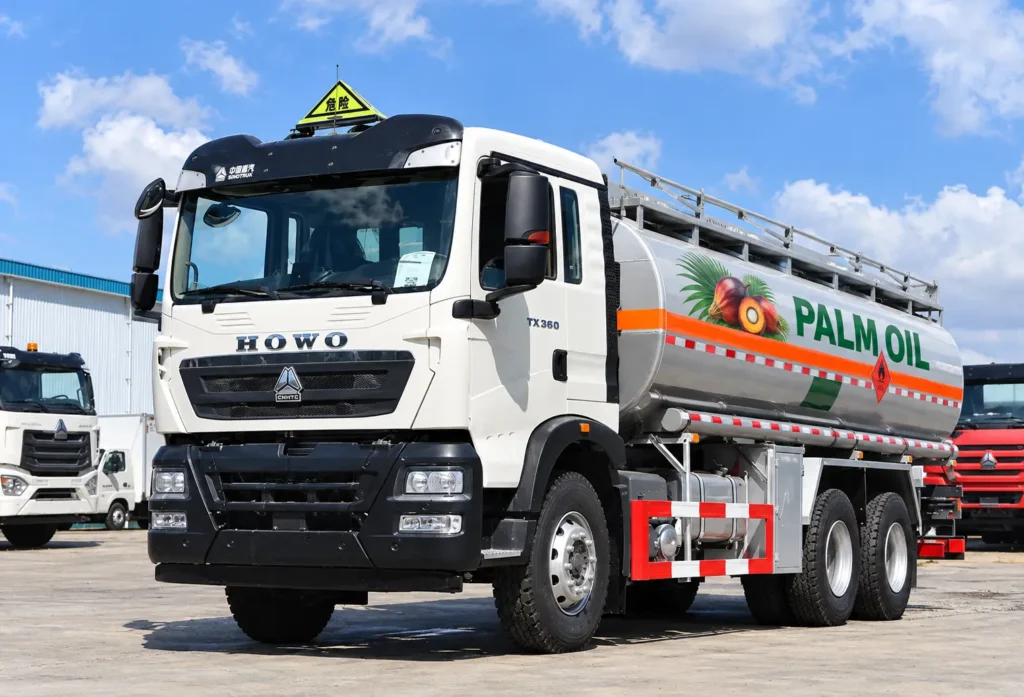
A high-quality CPO tanker incorporates a range of engineering technologies, including food-grade corrosion protection, heavy-duty insulation, auxiliary heating, and wave-resistant construction:
1. Food-grade 304 / 316L stainless steel inner liner
Chemical Inertness and Contamination Prevention: The tank’s inner liner is made of food-grade 304 stainless steel, completely isolating oils from contact with ordinary carbon steel to prevent an increase in acid value and contamination by heavy metal ions. For high-acid-value palm oil or coastal environments with high salt fog, the system can be upgraded to 316L stainless steel. High-Precision Polished Inner Walls: The inner walls of the tank undergo high-standard polishing (2B sheet metal or mirror polish), resulting in a smooth surface with no dead corners. This design prevents oil residue from adhering, greatly simplifying CIP (Clean-in-Place) operations.
2. Composite Insulation Layer and Steam Heating System
High-Efficiency Insulation Structure: The exterior of the tank is wrapped in high-density polyurethane foam or a high-quality rock wool insulation layer, combined with a stainless steel or cold-rolled steel outer jacket, which keeps the temperature drop within two to three degrees over a 24-hour period. Seamless Bottom Steam Coils: 304 stainless steel steam heating pipes are seamlessly laid across the bottom of the tank. Upon arrival at the destination, an external steam source can be connected to rapidly heat the liquid inside the tank, quickly melting any solidified portions and enabling smooth, unobstructed unloading.
3. Wave-Resisting Breakwaters and Hydrodynamic Optimization
The swaying of liquid cargo during transit subjects the tank and chassis to tremendous impact forces. The interior of the tank is equipped with multiple high-strength stainless steel baffle plates, which not only effectively absorb wave impacts and ensure the vehicle’s stability while driving but also enhance the tank’s overall mechanical rigidity.
In-depth customization capabilities that closely align with real-world operating conditions
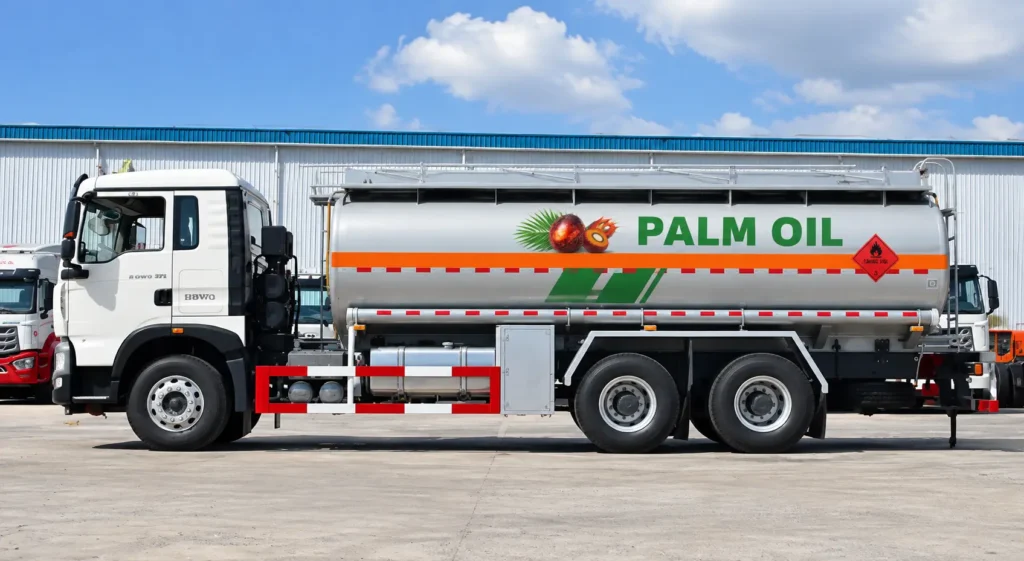
Given the differences in geographical conditions, laws and regulations, and customer operating models across various countries and regions, flexible, customized solutions are one of the key selling points of CPO tank trucks:
Drive Configurations and Chassis Customization: Depending on the steepness and muddiness of the terrain, you can freely choose a heavy-duty truck chassis (such as HOWO or SHACMAN) with a 4×2, 6×4, or 8×4 drive configuration, equipped with high ground clearance, wheel-end reduction axles, inter-axle and inter-wheel differential locks, and all-steel off-road tread tires.
Compartmentalization and Multi-Purpose Design: The tank can be configured as a single compartment or multiple independent compartments as needed. Each compartment is equipped with its own food-grade, explosion-proof manhole, breather valve, and discharge valve, meeting the requirement for simultaneously loading different grades or batches of palm oil.
Self-Priming and Self-Dumping Power System: Optional high-flow gear pumps or stainless steel rotary pumps driven by the chassis engine’s power take-off (PTO) allow for easy independent loading and unloading operations, even in remote locations lacking external unloading equipment.
Rugged, durable, and reliable quality ensures safe transportation
Frequent travel on muddy and bumpy roads deep within the plantation means that a vehicle’s structural strength directly determines the fleet’s service life and maintenance costs:
Automated Welding and Non-Destructive Testing: The longitudinal and circumferential seams of the tank are welded using a fully automated seam welding process. All welds undergo 100% X-ray non-destructive testing as well as high-pressure water and air leak tests to eliminate any risk of even the slightest leak.
High-Rigidity Subframe Connection: The tank is secured to the chassis frame using high-strength U-bolts and flexible shims, effectively absorbing torsional stresses transmitted from rough road surfaces and preventing cracks in the tank.
High-End Brand Safety Components: The tank bottom is equipped with a DN100 (4-inch) stainless steel pneumatic/manual emergency shut-off valve (bottom valve). Combined with the top anti-slip walkway, foldable and adjustable guardrails, and an electrostatic grounding system, these features comprehensively ensure the safety of personnel and cargo.
Conclusion
Crude palm oil tankers serve as a vital link between the plantation pressing facilities and the downstream processing chain. With their robust off-road capabilities, food-grade temperature control, highly flexible customization options, and durable construction, these vehicles help transportation companies effectively reduce oil loss, improve operational efficiency, and provide a solid foundation for the stable operation of the palm oil supply chain.Contact us today. We’ll recommend a practical crude palm oil transportation solution tailored to your market.